What happens in the workshops
Think of it less like a class and more like a working session. We sit together, we look at real numbers, and we build something you can actually use when you leave.
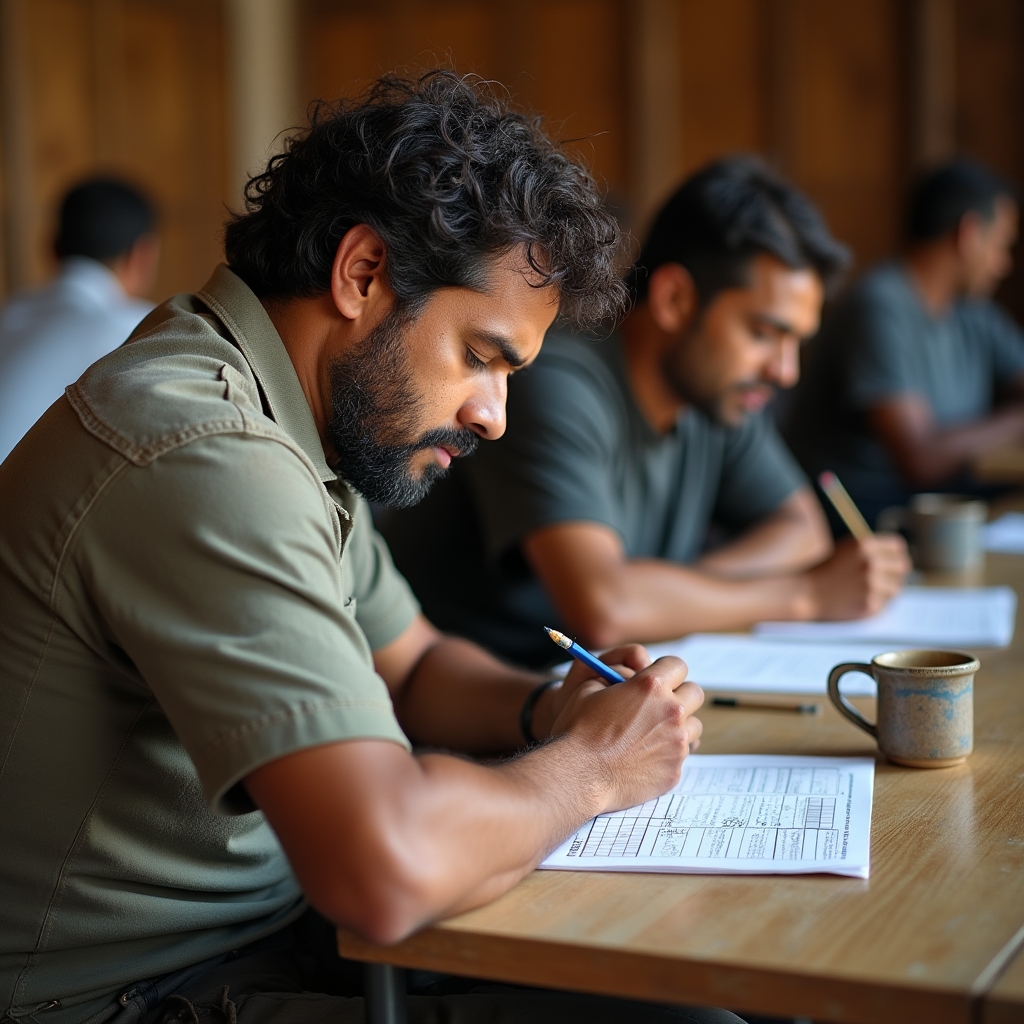
What Came In This Week?
The first session is about understanding how money actually arrives in your life. For most informal workers, income doesn't come in a single monthly payment — it arrives in fragments. A job paid on Tuesday. An advance on Thursday. A partial payment still pending from last month. We map all of it out, practice recording it clearly, and start to see the real picture of what a "good week" versus a "slow week" looks like in numbers.
By the end of this session, each participant has a simple income log — in whatever format works for them — and has practiced filling it in with their own numbers.
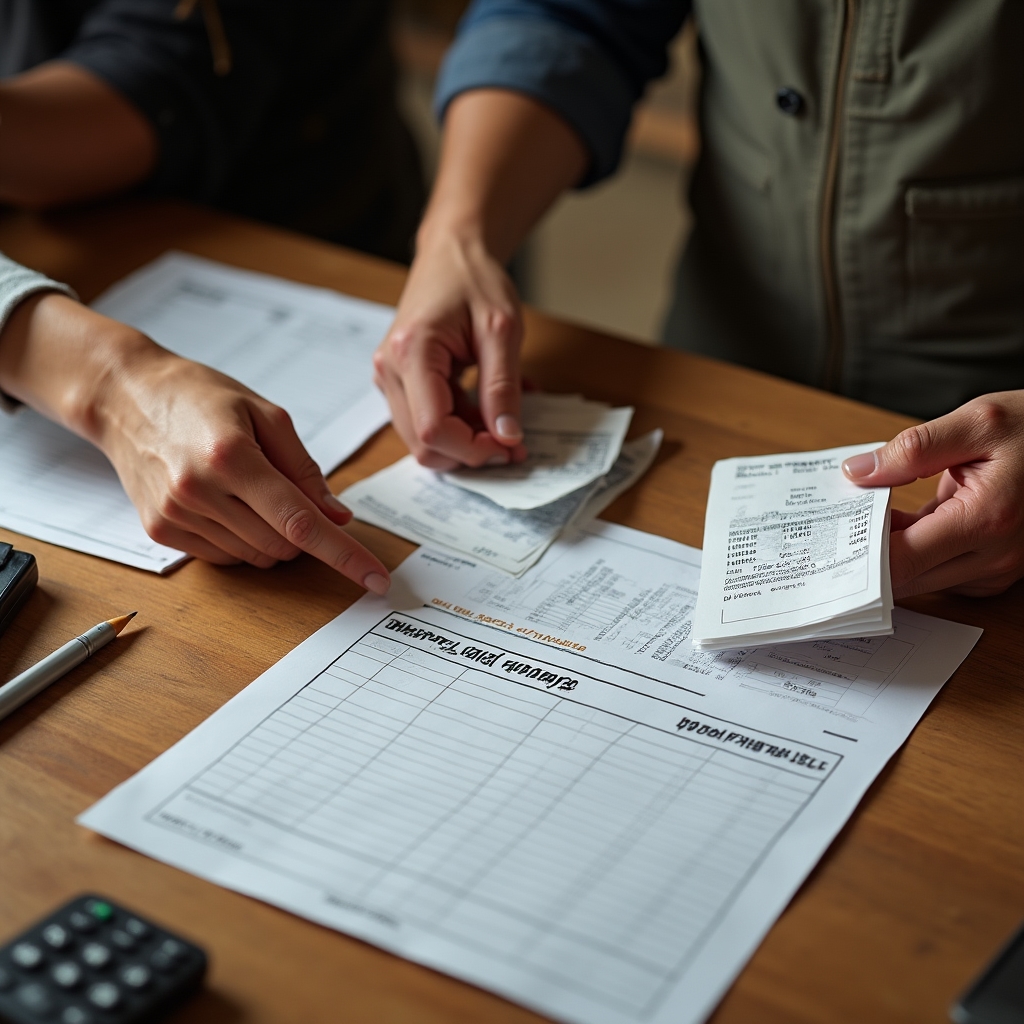
What Went Out?
The second session focuses on expenses — and one of the most important distinctions informal workers can make: the difference between work costs and living costs. Materials, tools, transport to a job site — these are expenses that come out of the work itself. Rent, food, utilities — these are household expenses. Mixing them makes it impossible to know if a job actually made money.
We introduce a simple way to separate these two categories and practice tracking both. Participants leave with an expense record that's specific to their trade and their household.

Setting Money Aside
This is often the session that resonates most. We talk directly about the months when no work arrives — not as a hypothetical, but as a reality every participant has experienced. We work through a simple calculation: what does a month of household expenses actually cost? And what would it take to have that amount set aside before a slow period hits?
We also address the challenge of saving when income is irregular. The approach isn't a fixed monthly amount — it's a percentage or a simple rule that adjusts to what came in. Every participant leaves with a savings target and a method they've chosen themselves.

Your Personal System
The final session brings everything together. Each participant reviews what they've built across the four sessions — their income log, their expense categories, their savings method — and assembles it into a single, coherent system. We talk about what works, what didn't, and what needs adjusting for their specific situation.
Some participants leave with a paper system. Others leave with a phone note they've been using since session one. A few choose to combine both. The format doesn't matter — what matters is that it's theirs, it makes sense to them, and they know how to keep it going.